要去德里走走

后天的飞机,刚跟德里的朋友通过电话,朋友真诚的提醒我,印度的卫生条件不是一般的差,是极差,是一般中国人想象不到的差,所以:

  1. 要多带些药,拉肚药,感冒药,退烧药,一般用得上的药;
  2. 要多带些卫生纸;
  3. 千千万万不要贪吃印度街边小吃,不然要拉肚N天;
  4. 不要喝酒店的自来水,要喝外面的矿泉水;
  5. 最好自己带床单,枕头套。

看来情况严重。我原来想德里怎么也是印度的首都吧,也许有点大意了,原来只打算打一个包包的Gadget,再加两件衣服。感谢朋友的关心。不过要带床单,枕头套是比较困难的。宁可带个大点的本本。

朋友还建议我到印度买张电话卡,用那边的网络会便宜点,一张卡只要300卢比,算到来7美刀,而且是打入免费的,比国内的便宜。听起来不错,不过他又加了一句,网络信号不是很好。

前几天另外一个朋友也给我讲了好几样注意事项:

  1. 到了德里就在机场内订出租车,不要坐机场外的出租车;
  2. 不要搭理走过来跟你介绍东西的人;
  3. 小心行李。

这几点有点象国内,不过朋友说,印度比较不那么暴力,偷东西多,不怎么抢。

不管如何,到了印度再说。

期待印度。

PS: 刚刚收到另一个朋友的提醒,In general, the trick in India is (the same as China) to look as if you know  everything and are confident about yoursurroundings. If you look like a tourist they will try to take advantage of you.

印度我还没去,不过这位朋友对中国的理解非常到位。

多谢拉!

powered by performancing firefox

改变未来IT业发展的趋势

这篇是埃森哲(Accenture)技术实验室(Accenture Technology Labs)做的研究报告。

埃森哲是IT咨询业的老大之一。他们做的都是政府机构,大公司,大企业的IT项目。这篇文章所说的IT业也应该是指他们所专注企业内的,有“Big Impact”的商业运作IT项目,不是HopesomeHung,或幻灭眼里未来的IT世界。

换换口味吧。

这篇文章其实勾起了我一直以来对这些顾问们(Consultant)的“偏见”,

1. 这些IT顾问们写文章喜欢用大词。在他们的演示里,用越大,越学术化的词就越能显示水平。什么SOAs,虚拟化,语意集成…不明就里的话,一下就给吓唬住。其实只要会摆弄自己Blog,能不时加一两个复杂点的插件的人平时都已经在用这些东东了。

不过也难怪这些顾问们写这些技术文档时要象写法律文档那样罗嗦,文档稍微有点漏洞就可能给他们带来百万千万的损失。

2. 这些IT咨询公司应用的技术总是落后于IT技术的发展。我的感觉是至少落后两三年。

当然他们不是要最新的,他们是要最稳定,可靠的技术。这又是他们的米饭班主--客户决定的。

为了这篇翻译,我老早给埃森哲发了电邮询问,看看可不可以给我正式的许可,但直到现在都没有答复。我在想,我的那封电邮是不是叮叮当当的向上传了N级,然后在某一级给卡住了,不可以砰砰邦邦穿过几层下达来回复我。对他们来说,也许还是睁只眼,闭只眼比较省事吧。

哎,大公司,可以理解。

另:翻译的版权没解决,这翻译随时可能要拿下来的。


改变未来IT业发展的趋势

原文:The Major Trends that will Shape IT

翻译:EPIN

审稿:Jacky Peng

Continue reading 改变未来IT业发展的趋势

木瓜教程之Google Docs使用手册

Google Docs是一个基于Web的工具,它有跟Word相近的编辑界面,有一套简单易用的文档权限管理,而且它还记录下所有用户对文档所做的修改。

Google Docs的这些功能令它非常适用于网上共享与协作编辑文档。

Google Docs甚至可以用于监控责任清晰,目标明确的项目进度。对于简单的项目,它使用起来直接了当,不像dotProject那般复杂。

从Writely开始,我就一直在使用这个网上文档编辑工具。Writely被Google买去之后,整个工具跟Google的其它系统如Gmail,Google Spreadsheets等结合在一起,并且更名为Google Docs & Spreadsheets。这个木瓜教程讲的只是其中的Docs那部分,因此我这里只叫它Google Docs了。

另外,跟其它很多Google的产品一样,Google Docs在Firefox上有最好的显示效果,因此,这个教程引用的所有例子都是在Firefox上实现的。

  1. 登陆Google Docs
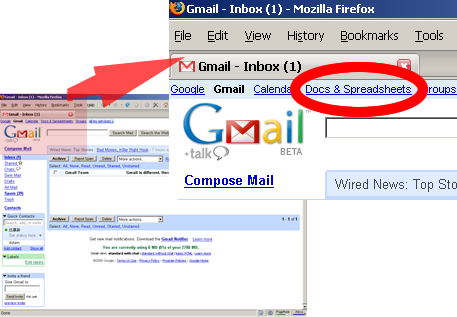
  2. 我一直很纳闷为什么国内的朋友很少知道Google Docs,因为Google Docs的链接如下图,就在Gmail主页的左上角上,一点就进去了。后来我才知道,如果Gmail的显示语言是设成中文的话,这个链接现在是没有的,相信Google Docs的中文版出来来后应该会加上去吧。

    Gmail Link

    图1:从英文版的Gmail进到Google Docs

    不过那也问题不大,可以直接从这个网址进去:

    docs.google.com

    如果有Gmail帐号的话,可以用Gmail帐号登陆。如果你用习惯了原来的电邮地址,还不想体验Gmail的超级功能的话,你也可以点击登陆页面上的“Create a new Google Account”链接,用你的电邮地址来建立一个Google帐号。

    Continue reading 木瓜教程之Google Docs使用手册

African, Our Brothers

This is a blog post written by Mr. Zhai hua.

Mr. Zhai graduated from Tsinghua University, Beijing. He continued his study in France, and received his Master’s degree and his PhD there. He has worked in France, Thailand, Côte d’Ivoire, Philippine and many other countries.

Mr. Zhai is the organizer and main contributor to his group blog, Eastern Cultures, Western Words ( 东方文化西方语). His posts mainly cover his interesting experiences in different countries.

In this post, African, Our Brothers, Mr. Zhai refutes some Chinese common stereotypes of African with his personal experiences. Also, he talks about his various interesting encounters with African.

African, Our Brothers

Original post: 《称兄道弟说非洲》

Translators: EPIN

Editor: Jacky Peng

I had stayed in Africa, a place far away from China, for seven years. The China-African Forum reminds me, an “old African buddy”, of those old African friends, more accurate, my African brothers. Chinese always say, “While we’re strange in the first time we meet, we will get familiar in the second time.” However, when African meet others in the first time, they can fraternize. It does not matter whether he is a king, a president, or an ordinary people, all men are brothers. Since they are brothers, they will make some casual remarks. At that time when we were at work, whenever some black colleagues saw me, they would shout to me loudly, “Mon frere, on dit quoi?” (“My brother, something to say?”) “Something to say” is a customary term for many French-speaking Africans. It is for greeting, and also means “Is there any news or anything interesting?” As we met every day, normally there was nothing new. So I often responded frankly, “My brother, there’s nothing I can say.” After listening to my words, the African guy deliberately argued, “Hey, why? Aren’t you my brother?” When a white colleague saw this, he joked with us, “You guys look not like brothers; you are comrades!”
Continue reading African, Our Brothers